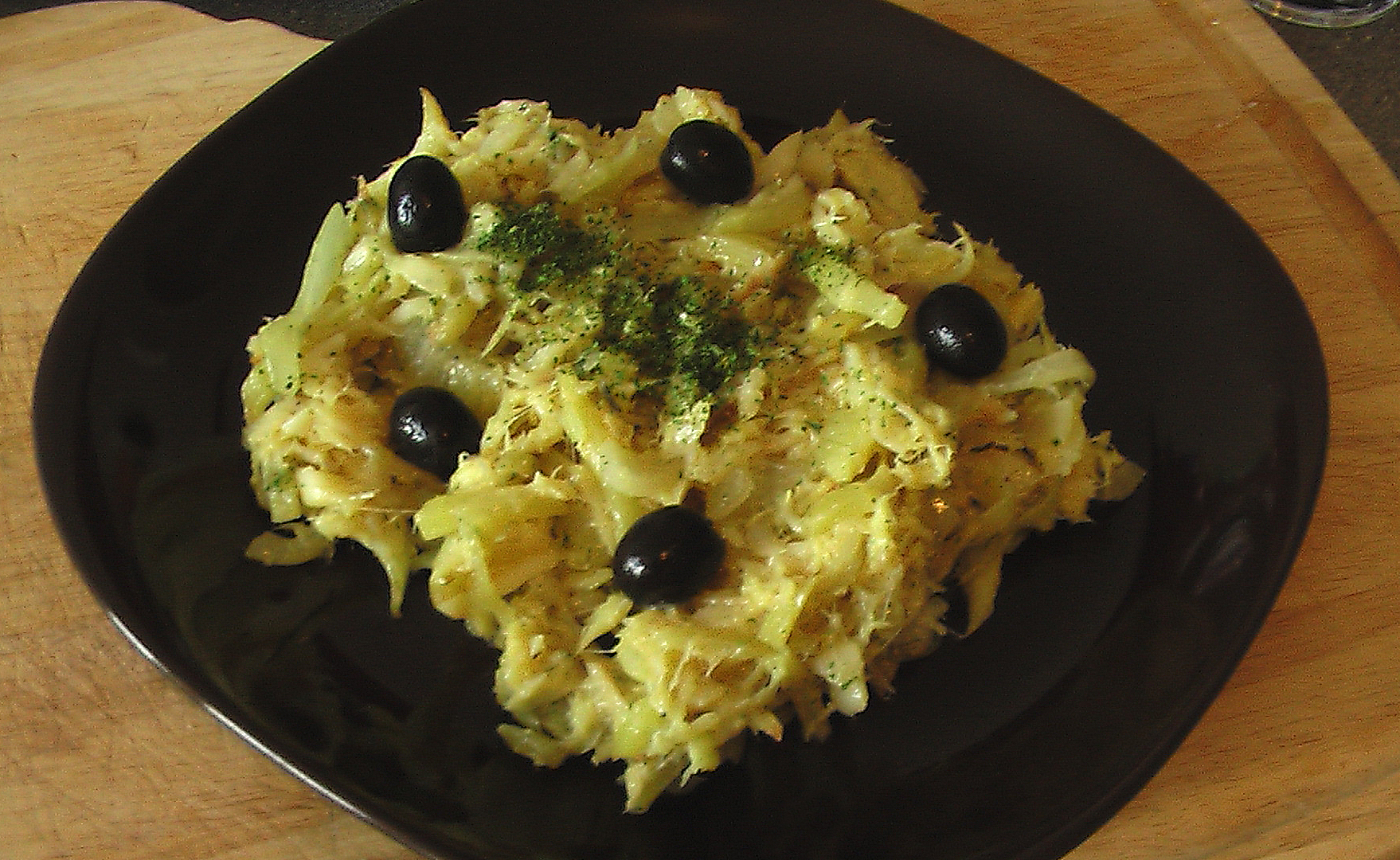
Thailand's best-known noodle dish is unusually well documented: it was actively promoted by the government in the mid-twentieth century as part of a campaign to define the modern nation.
A dish with a policy behind it
Most national dishes emerge slowly and anonymously. Pad Thai is a rare exception, because its rise was deliberately encouraged. During the nationalist governments of the late 1930s and 1940s, the Thai state promoted a stir-fried rice noodle dish as part of a broader programme of modernising and unifying national culture.
There were practical motives alongside the symbolic ones. Rice noodles used less rice than whole grains at a time when rice was a valuable export, noodle carts offered street vendors a livelihood, and a standardised recipe promoted as distinctly Thai helped define a national cuisine at a moment of intense nation-building.
The ingredients themselves tell a more layered story. Stir-frying and wheat-free rice noodles reflect long-standing Chinese influence in Thailand, so a dish promoted as quintessentially Thai was in fact built on centuries of exchange — which is true of most national dishes if you look closely enough.
The balance of flavours
Pad Thai is a lesson in Thai flavour balance. Tamarind supplies sourness, palm sugar sweetness, fish sauce salt and depth, and dried chilli heat. None should dominate; the dish should taste bright and layered rather than simply sweet, which is the most common failing of versions made abroad.
Flat rice noodles are soaked rather than boiled so they finish cooking in the pan. Around them go egg, firm tofu, dried shrimp, garlic chives and preserved radish, with the whole thing cooked fast over very high heat.
It arrives with a small arsenal of condiments — crushed peanuts, chilli flakes, sugar, and a wedge of lime — because the final seasoning is considered the eater's job, not the cook's. Adjusting your own plate is part of how the dish is meant to be enjoyed.
Street food credentials
Pad Thai remains a street and market dish above all, cooked to order in a searing wok in a couple of minutes. The best versions come from vendors who make nothing else, and who have refined a single recipe over years.
Its portability made it Thailand's culinary ambassador. For many people outside Asia it is the first Thai dish they ever try, and it has become a fixture on menus far from Bangkok, even as Thai cooks abroad increasingly push their customers toward the country's regional and more fiercely spiced traditions.