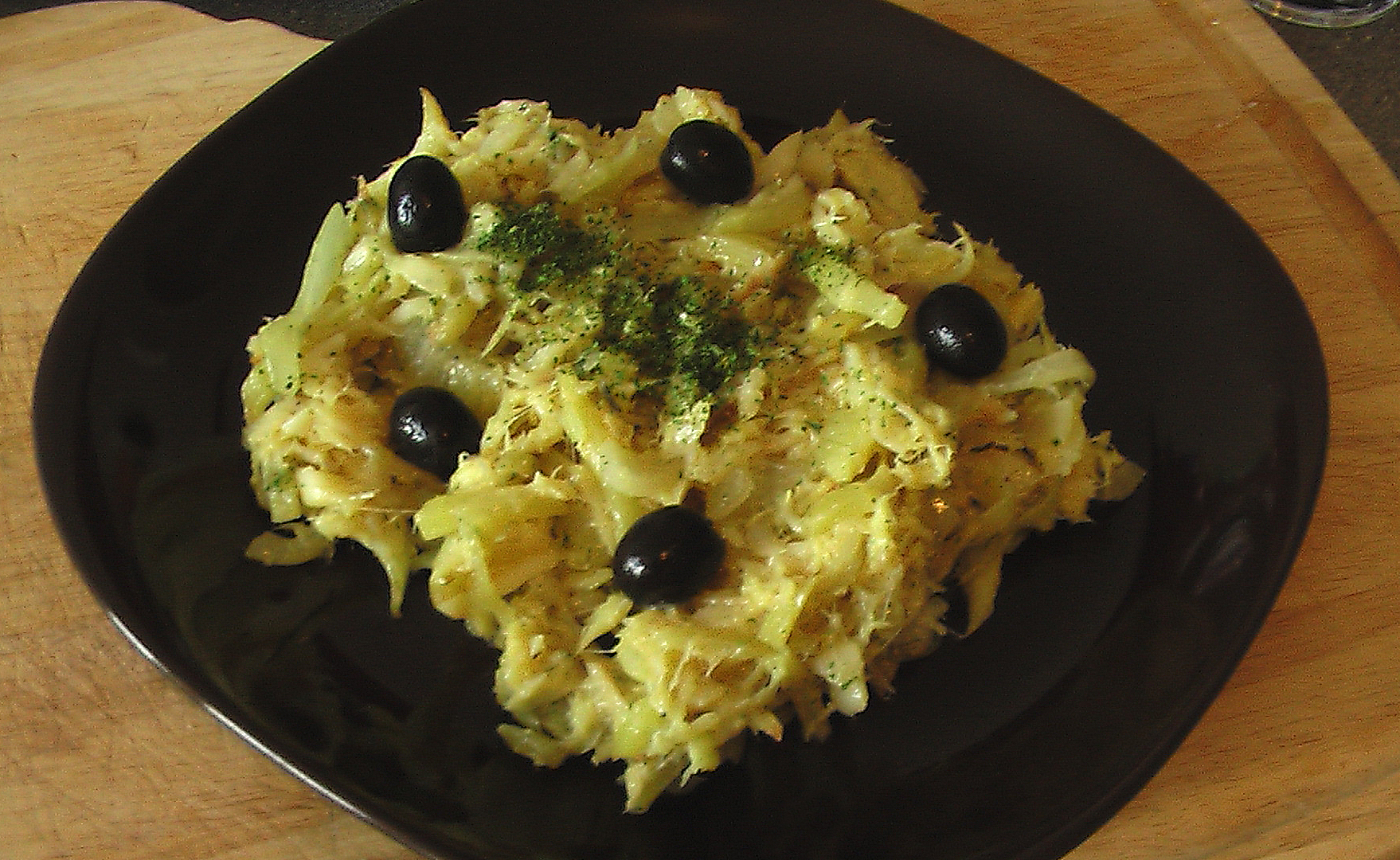
The Danish open sandwich: dense rye bread as a base for carefully composed toppings, governed by more convention than its simplicity suggests.
Lunch, formalised
Smørrebrød means buttered bread, and at its most basic that is exactly what it is. It grew out of the practical lunches of Danish workers and farmers, who took bread spread with fat and topped with leftovers into the fields.
During the nineteenth century it developed into something considerably more refined. Copenhagen restaurants began offering long printed lists of composed open sandwiches, and specialist lunch establishments built their reputations on them. That tradition survives, and a good smørrebrød restaurant still presents a menu of dozens of set combinations.
It occupies a specific place in the day. Smørrebrød is lunch, not dinner and not a snack, and in its restaurant form it is eaten as a sequence of courses rather than all at once.
The bread and the order
The foundation is rugbrød, a dense, dark, sour rye bread that is closer to a whole-grain loaf than to a sandwich bread. Its structure matters: it must support wet toppings without disintegrating, which no soft white bread can do.
Butter is not optional. It is spread edge to edge, partly for flavour and partly as a waterproof layer between bread and topping.
Convention governs the sequence when several are eaten. Herring comes first, then other fish, then meat, and finally cheese, with a fresh piece of bread for each. Pickled herring is customarily accompanied by a shot of akvavit and a beer, a pairing Danes treat as a matter of course.
Classic combinations
Certain combinations are effectively canonical: pickled herring with raw onion and capers; roast beef with remoulade and crisp fried onions; breaded fried plaice with lemon and remoulade; liver pâté with bacon and sautéed mushrooms; and the elegant shrimp piece, with small cold-water prawns arranged in careful rows and dressed only with lemon and dill.
Presentation is taken seriously. The topping should cover the bread completely and be arranged with visible care, and the garnish is chosen to be eaten rather than merely to decorate.
It is eaten with a knife and fork. Picking one up in the hand marks you unmistakably as a visitor.