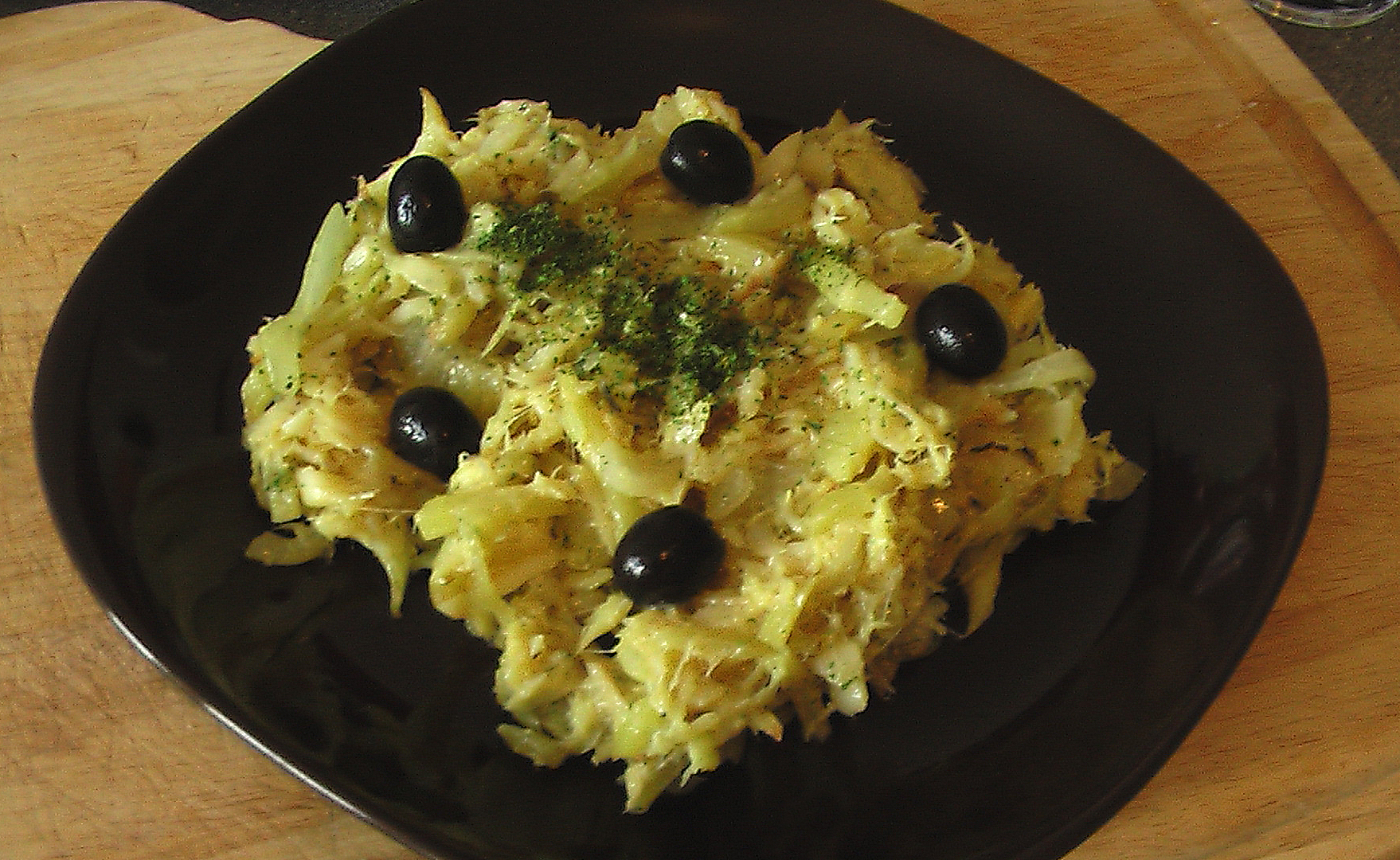
Ethiopia's ceremonial chicken stew, built on a huge quantity of slowly cooked onions and the chilli blend berbere, eaten with injera.
A dish for occasions
Doro wat is the most celebrated of Ethiopian stews and the standard centrepiece for holidays, weddings and important guests, particularly at the end of the long fasting periods observed in the Ethiopian Orthodox tradition.
The preparation is deliberately laborious, which is part of what marks it as special. It is not a weeknight dish, and cooking it well is a point of considerable pride.
Convention holds that the chicken is cut into a set number of pieces, and hard-boiled eggs are added to the pot, scored so they take on the colour and flavour of the sauce.
Onions and berbere
The foundation is an extraordinary quantity of finely chopped red onion — often more onion than meat by volume — cooked down dry, without oil, until the moisture has gone and the mass has collapsed and darkened. This stage alone can take an hour and defines the sauce's body and sweetness.
Only then does niter kibbeh go in: clarified butter infused with spices such as cardamom, fenugreek, ginger and korarima. It is the other signature of Ethiopian cooking and gives the stew its distinctive aroma.
Berbere follows — a deep red blend of chilli with garlic, ginger, fenugreek, korarima and numerous other spices. It supplies both the colour and a heat that is warming and layered rather than sharp.
Injera and communal eating
Doro wat is served on injera, a large spongy flatbread made from teff flour and fermented for days, which gives it a distinctive sourness and its characteristic pitted surface.
The injera doubles as plate and cutlery. Stews are ladled onto a shared round of it, and diners tear pieces from additional rolls to scoop up the food with their right hand.
Eating from a single communal platter is central to the custom, and gursha — feeding a mouthful to someone else with your own hand — is a gesture of affection and respect at Ethiopian tables.