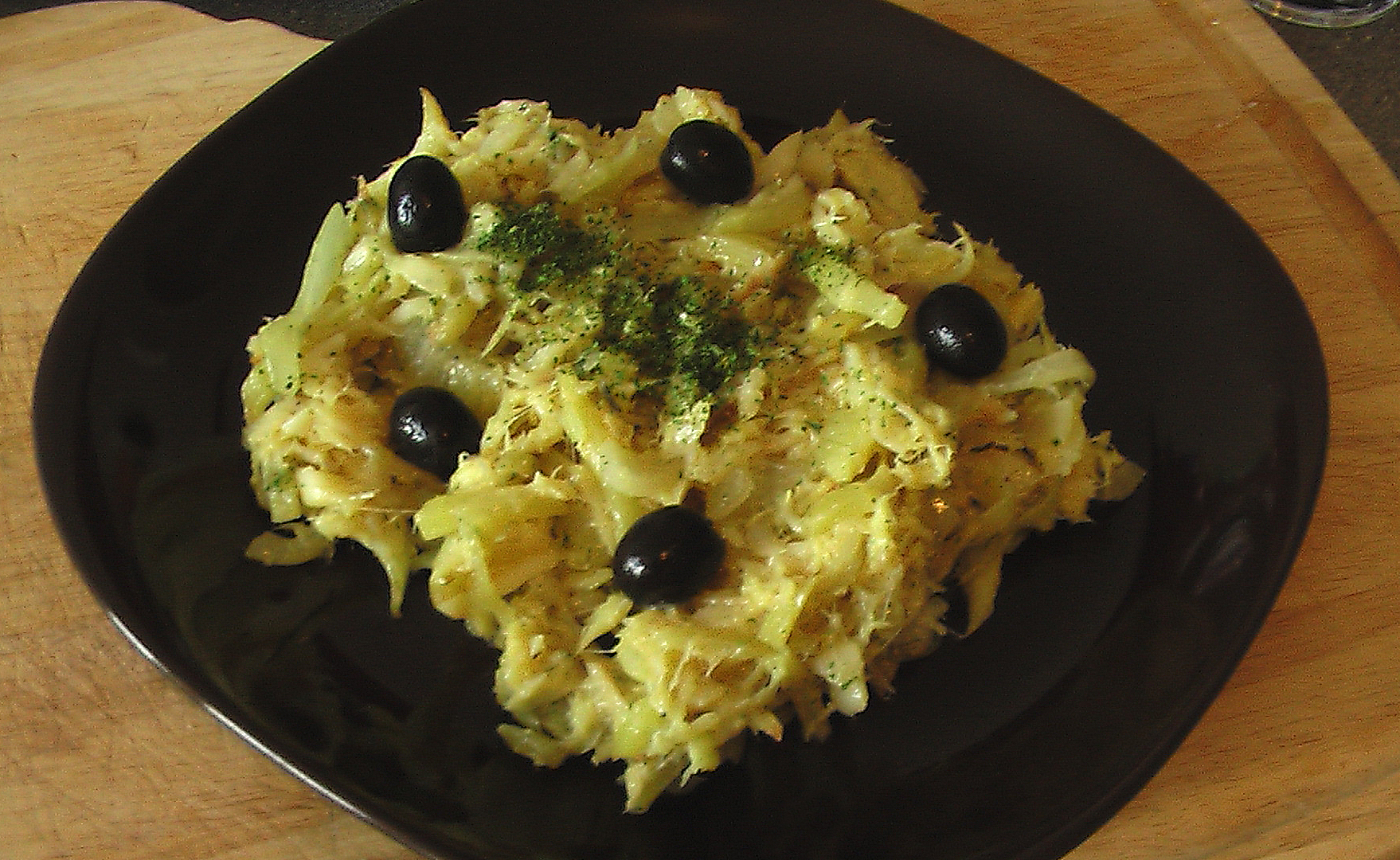
Slow-cooked fava beans dressed with olive oil, lemon and cumin — an ancient staple breakfast across Sudan, Egypt and the wider region.
A very old breakfast
Ful medames is built on dried fava beans simmered until soft, and it is among the oldest continuously eaten dishes in the region, with fava beans cultivated in the Nile valley since antiquity.
It is eaten across Sudan, Egypt and much of the Levant and Horn of Africa, and every country and household has its own way of dressing it. As a cheap, filling, protein-rich breakfast it has fed working people for a very long time.
Traditionally the beans were cooked overnight in a large narrow-necked pot buried in embers or set over the dying heat of a bakery oven — a method that gave the dish a slow, even cooking with little fuel.
Cooking and dressing
The beans are soaked and then simmered for hours until completely tender. Some are mashed against the side of the pot to thicken the liquid, while others are left whole, giving the dish its characteristic mix of textures.
The dressing is where the character comes from: generous olive oil, lemon juice, crushed garlic, ground cumin and salt, worked in at the table as much as in the kitchen.
From there it is endlessly varied — chopped tomato, onion, parsley and chilli; a spoonful of tahini; crumbled white cheese; a hard-boiled egg; or in Sudan often a topping of soft cheese and sesame oil.
How it is eaten
It arrives in a shallow bowl and is eaten communally, scooped with torn flatbread rather than a spoon. Bread is the utensil, and the meal is unhurried.
The accompaniments are usually raw and sharp — spring onion, rocket, pickles, more lemon — because the beans themselves are soft and mild and need contrast.
It is breakfast above all, and in Egypt and Sudan the ful cart is a fixture of the early-morning street, serving workers before the day begins.