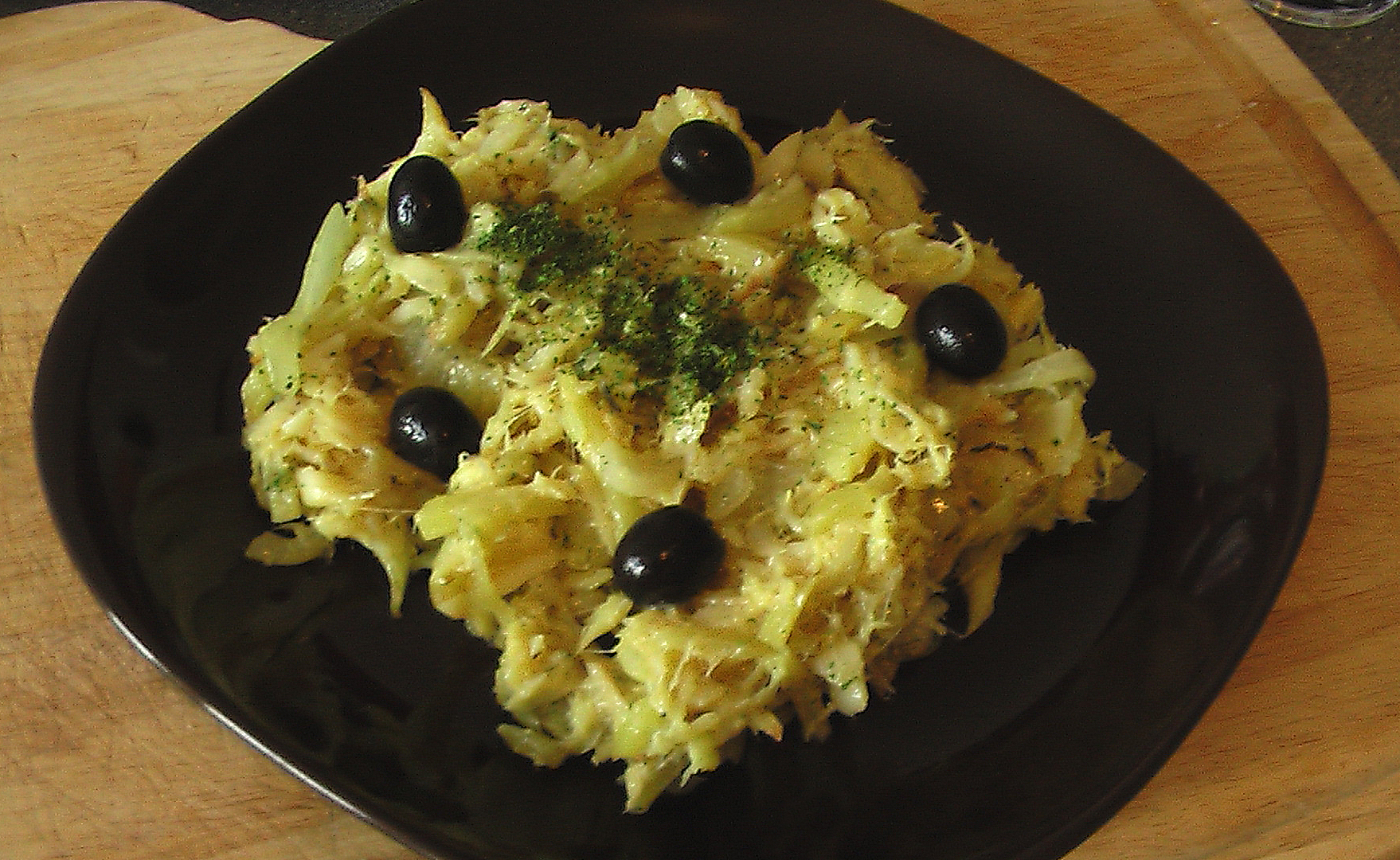
Melted cheese and wine in a communal pot — an Alpine winter dish whose modern popularity owes a great deal to twentieth-century marketing.
Thrift, then promotion
Fondue began as Alpine thrift. In winter, mountain households had aged cheese and hard bread and little fresh food, and melting one to soften the other made a warming meal from ingredients that were past their best.
Recipes for melted cheese with wine appear in Swiss cookbooks from the eighteenth and nineteenth centuries, and the dish was originally a regional speciality rather than a national one. Its promotion to Swiss national dish came in the twentieth century, when the Swiss Cheese Union campaigned energetically to increase domestic cheese consumption, distributing recipes and presenting fondue as a patriotic tradition.
That does not make it inauthentic — the dish was genuinely old — but it is a clear case of a national symbol being consciously manufactured, and it explains why fondue became ubiquitous so quickly.
The technique
A classic mix uses two cheeses, commonly Gruyère with Vacherin Fribourgeois or Emmental, though blends vary by canton and by household. The pot, called a caquelon, is rubbed with a cut garlic clove before anything else goes in.
Dry white wine is warmed and the grated cheese added gradually, stirred in a figure-of-eight motion rather than a circle. Cornflour or potato starch is tossed through the cheese first, and a splash of kirsch is traditional. The acid in the wine and the starch both keep the emulsion stable.
Too much heat is the enemy: boiled fondue separates into a greasy pool with a rubbery mass beneath. It is kept over a low flame at the table, warm enough to stay fluid and no hotter.
Rules of the table
Bread is cubed with a little crust on each piece so it grips the fork, and each diner stirs as they dip, which helps keep the pot emulsified. Potatoes, cornichons and pickled onions are common accompaniments.
The crust of toasted cheese that forms on the bottom of the pot is called la religieuse and is lifted out and shared at the end as the best part. Custom holds that anyone who loses their bread in the pot owes the table a round of drinks or a song, a rule enforced with varying seriousness.
Fondue is winter food and social by design — slow, shared from one vessel, and impossible to hurry.