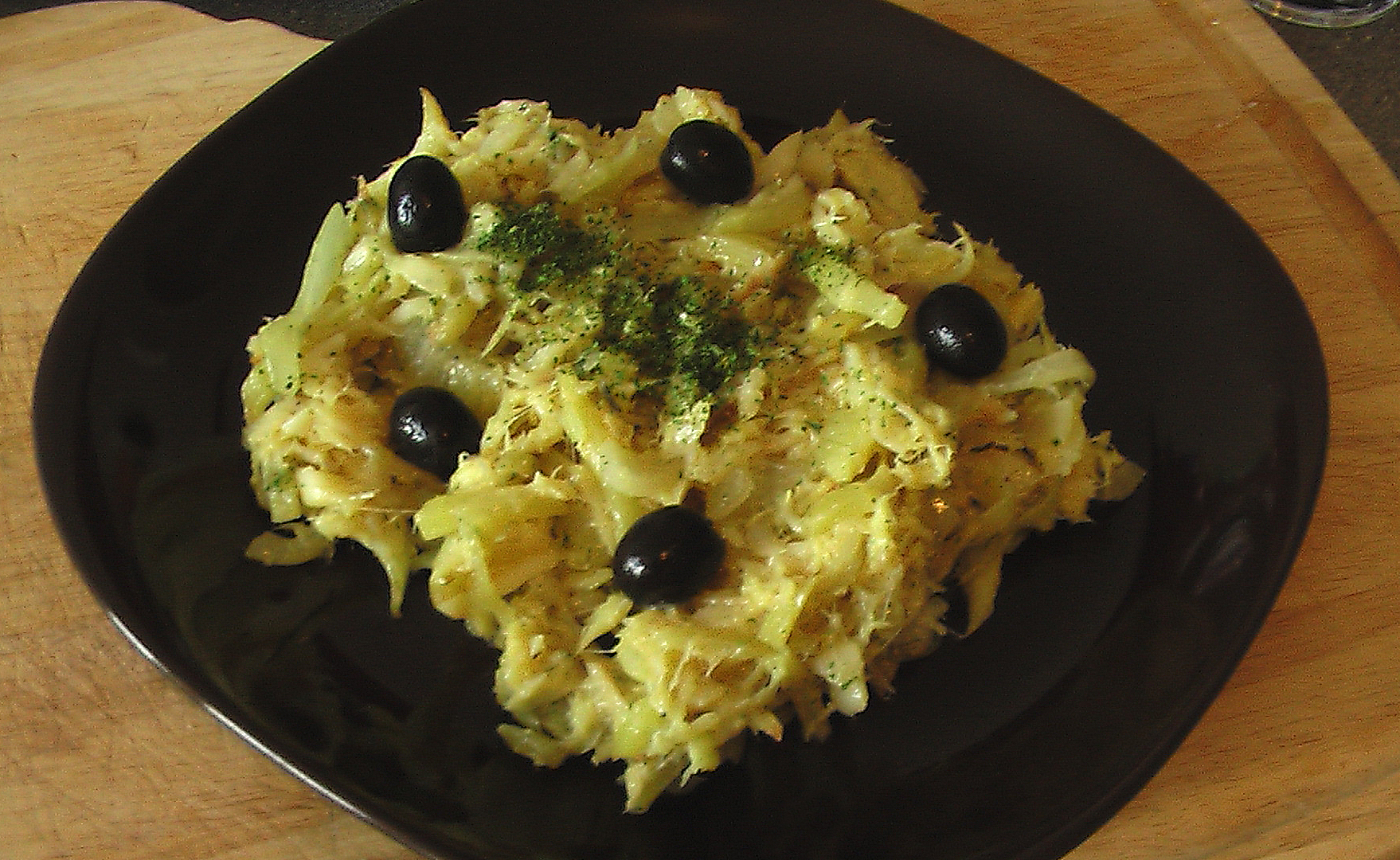
Shredded beef stewed with peppers, onion and tomato — Cuba's national dish, whose name means old clothes.
An old name and an older route
Ropa vieja means old clothes, a reference to the appearance of the shredded meat, which is said to resemble a pile of rags. A well-worn folk tale describes a poor man cooking his own clothing to feed his family, with the pot miraculously turning it into meat.
The dish's real path runs through Spain, and it is generally traced to the Iberian Peninsula, with the Canary Islands often cited as an intermediate step given the long-standing migration between the islands and Cuba.
In Cuba it became a national dish, and versions are eaten across the Caribbean and in Spain, each with local adjustments.
Two stages
The meat is flank or skirt steak, first simmered slowly in water with onion, bay and peppercorns until it is completely tender. The resulting broth is kept, since it goes back into the stew later.
Once cool enough to handle, the beef is pulled apart along the grain into long strands by hand. Cutting it produces the wrong texture; the strands are the entire point of the dish.
The second stage is the sofrito: onion, green pepper and garlic softened in olive oil, then tomato, cumin, oregano and often a bay leaf, with white wine and some of the reserved broth.
Finishing and serving
The shredded beef returns to the sofrito and simmers until it has absorbed the sauce and the mixture is thick rather than soupy. Green olives and capers are commonly added toward the end, sometimes with a strip of roasted red pepper.
Sweet or smoked paprika appears in many versions, and a splash of the olive brine is a common trick for sharpening the finish.
It is served with white rice, black beans and fried sweet plantain — the standard Cuban plate — with the rice doing the work of carrying the sauce.