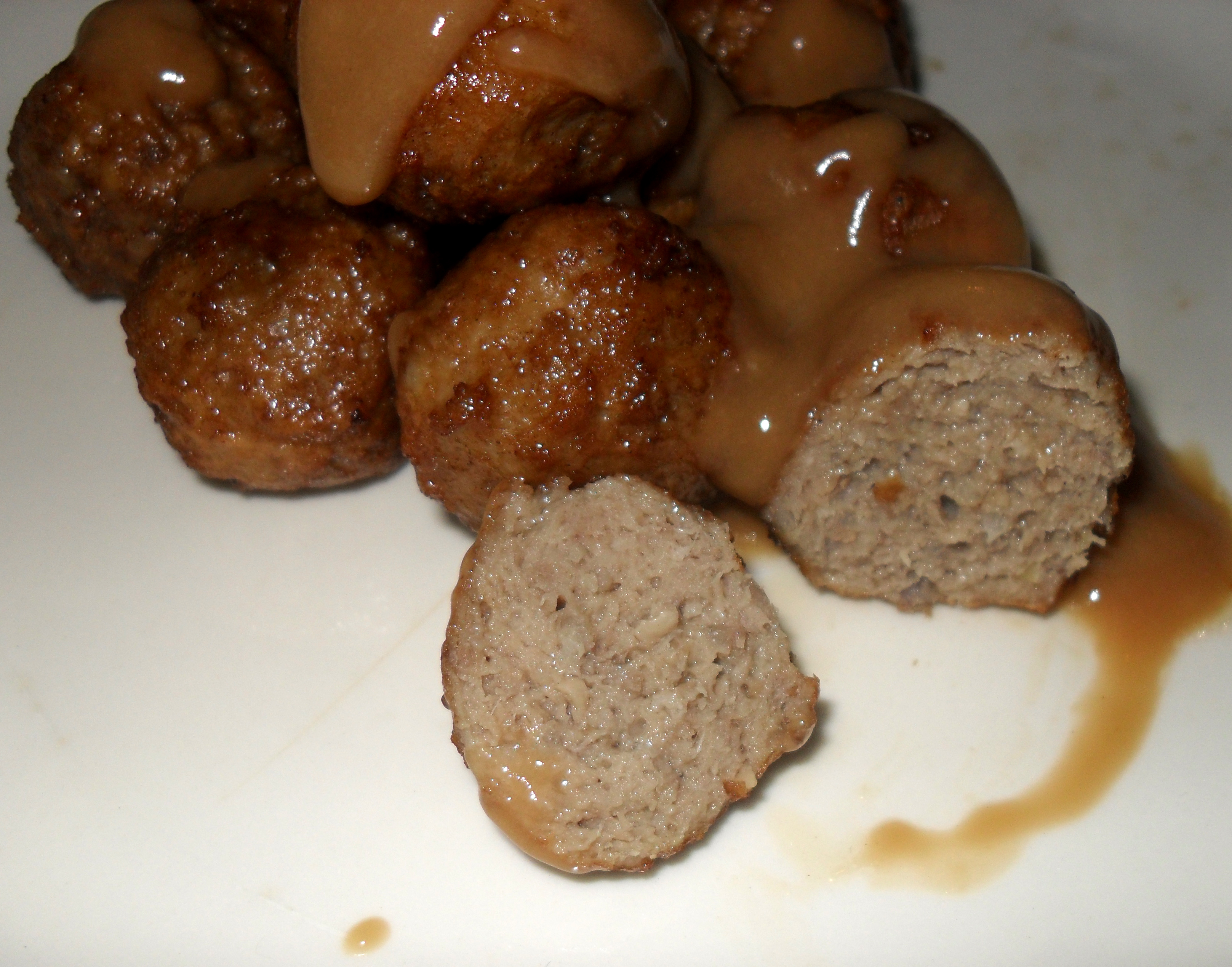
Swedish meatballs served with cream sauce, potato and lingonberry — a homely combination whose spicing may owe something to an eighteenth-century royal visit to the Ottoman Empire.
A possible Ottoman thread
Meatballs are near-universal, but the Swedish version has an origin story that surfaces regularly: that King Charles XII, who spent years in the Ottoman Empire in the early eighteenth century, brought back recipes and spices that influenced Swedish cooking.
The claim is plausible in outline — the period did introduce new spices and dishes to Sweden — but the direct line to köttbullar specifically is not firmly documented, and Swedish authorities have themselves acknowledged the Turkish connection in general terms. Treat it as a likely influence rather than a settled fact.
What is certain is that köttbullar became the archetypal Swedish home dish: the thing cooked on ordinary weeknights, served at Christmas among many other dishes, and exported worldwide by a certain furniture retailer.
Texture is the craft
The mince is usually a mix of beef and pork, and the defining ingredient is a panade: breadcrumbs soaked in milk or cream, worked into the meat. It keeps the meatballs tender rather than dense, which is the main difference between good and mediocre versions.
Finely grated or softened onion goes in, with allspice and white pepper providing the warm background note that distinguishes them from Italian or Middle Eastern meatballs.
They are rolled small — considerably smaller than most people expect — and fried in butter, shaken in the pan so they brown all over and keep their round shape.
The plate that comes with it
The sauce is built in the same pan: a roux with the browned residue, loosened with stock and cream and often darkened with a little soy or stock concentrate. It should be pourable rather than thick.
The accompaniments are fixed and non-negotiable in Swedish practice: boiled or mashed potato, the cream sauce, and lingonberry jam, whose sharp acidity cuts the richness. Pickled cucumber is common alongside.
The lingonberry is the element outsiders most often omit and the one Swedes would least willingly give up — without it the plate is simply rich, with no counterweight.